J Exp Bot 66:28272837 Deng F, Hatzios KK (2002a) Characterization and safener induction of multiple glutathione S-transferases in three genetic lines of rice
Glutathione is an antioxidant found in small amounts in most people, but some complementary radicals can cause damage, eventually leading to cellular decay along with aging
Firstly we need to know what is Glutathione, we all know that glutathione is its acts as important antioxidants in our body, made up of three amino acids
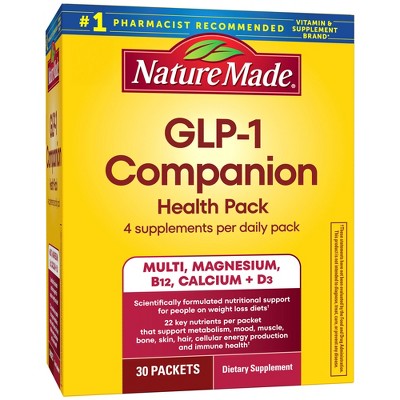
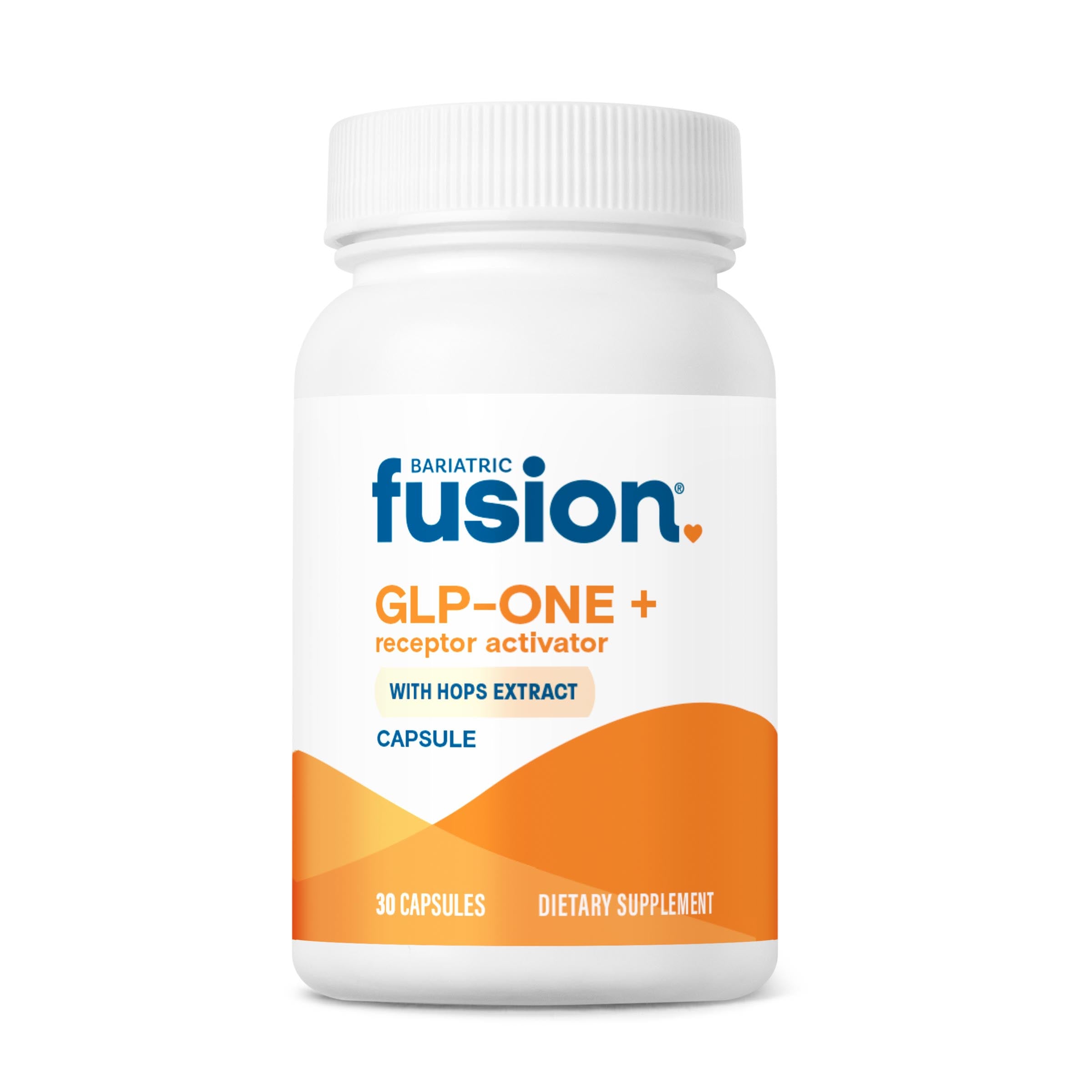
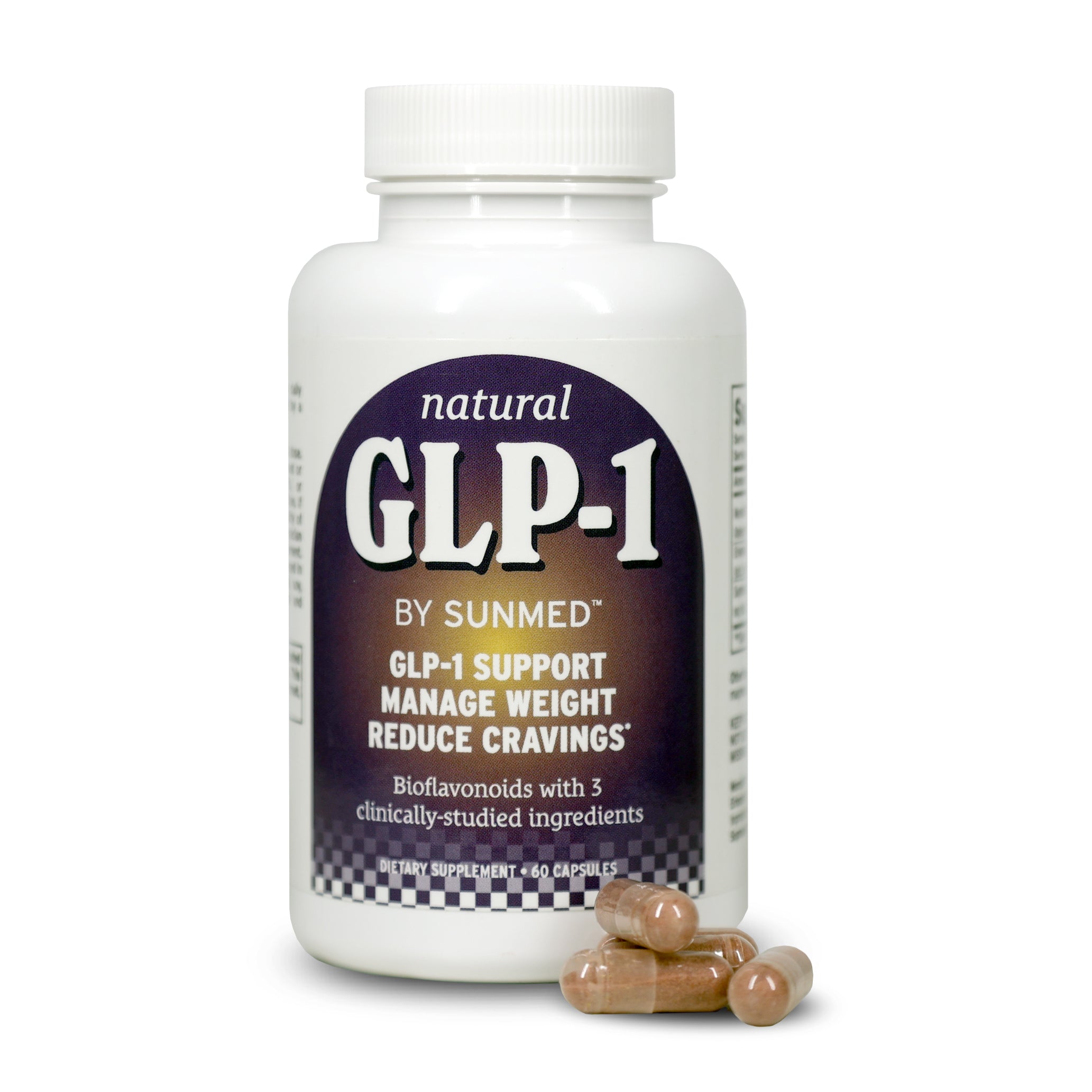
vitamin D intake ~20% of recommendations Lean mass risk: protein + calcium insufficiency may contribute, alongside other drivers B-vitamins: thiamine and cobalamin deficits appear to increase over time Clinical takeaway (my approach): GLP-1s dont cause malnutrition in everyone but they can unmask risk in the wrong context (older adults, low-protein diets, restrictive eating patterns, prolonged nausea/vomiting, rapid weight loss, post-bariatric patients)
Mice do not develop such nodules but may have focal lesions similar to those in rat hepatodiaphragmatic nodules and with large nuclei with large central nucleoli-like basophilic bodies