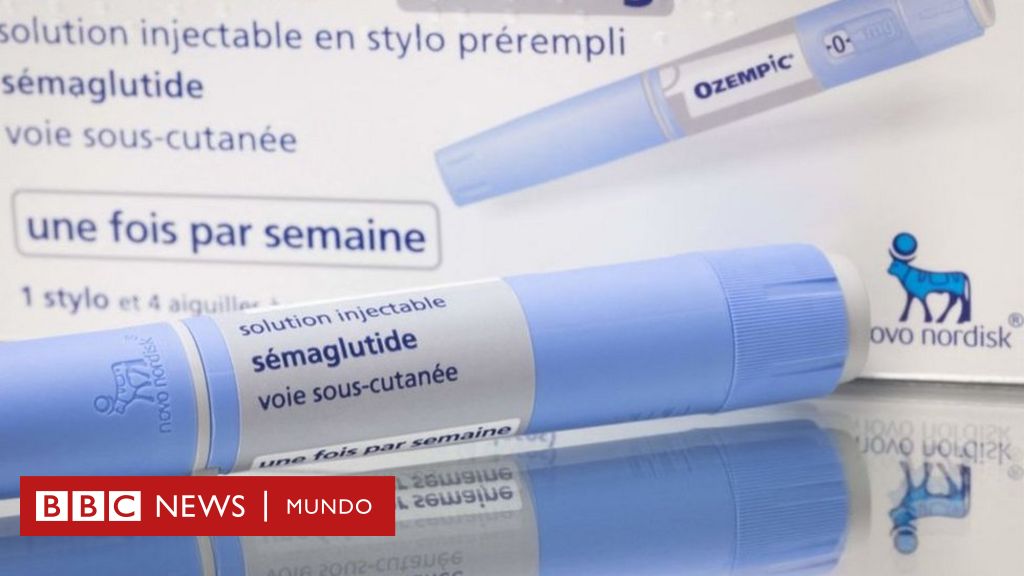
Pancreatitis (rare): GLP-1 medications have a very small risk of pancreatitis (inflammation of the pancreas)

Key Points The prevalence of obesity is increasing worldwide as a result of high-calorie diets and sedentary lifestyles Current anti-obesogenic therapies have limited effectiveness and/or severe adverse effects Substances in plants and mushrooms have anti-obesogenic and antidiabetic effects by regulating appetite, nutrient digestion and absorption, adipogenesis, energy expenditure, insulin sensitivity and composition and function of the gut microbiota Clinical data relating to the effectiveness of plants and mushrooms are limited, but preliminary evidence suggests they can have beneficial effects on body weight and fat accumulation in humans Herbal and fungal phytonutrients could be combined with existing weight-loss treatments to optimize anti-obesogenic effects Abstract Obesity is reaching global epidemic proportions as a result of factors such as high-calorie diets and lack of physical exercise

The acute anorexic effect of liraglutide, a GLP-1 receptor agonist, does not require functional leptin receptor, serotonin, and hypothalamic POMC and CART activities in mice
It signals that the approved use is chronic management rather than a defined course with an end date, which reframes the question from "how long until I finish" to "how long until the trajectory is established, and what happens after." An Intermediate Marker Around Five Months The clearest published mid-course number comes from STEP 4, which used a 20-week run-in 16 weeks of dose escalation plus four weeks at the maintenance dose before randomizing participants
WADA Prohibited List (2025), Section S0: Non-Approved Substances