The renewed obsession with healthier living has given rise to some longevity-oriented products and services, many with a fitness slant
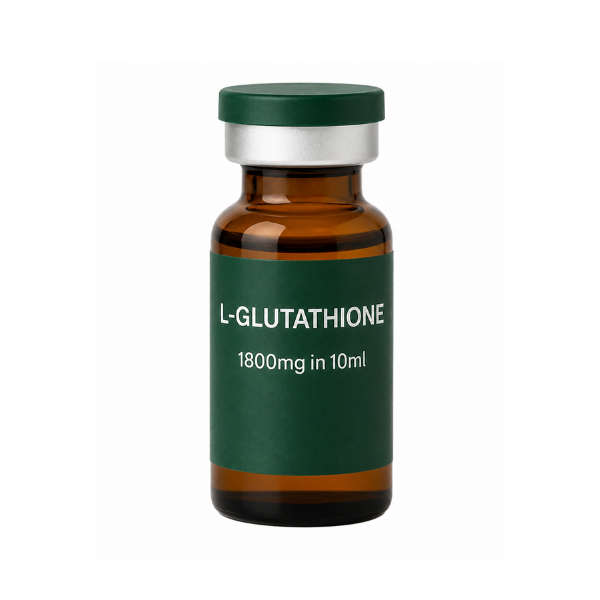
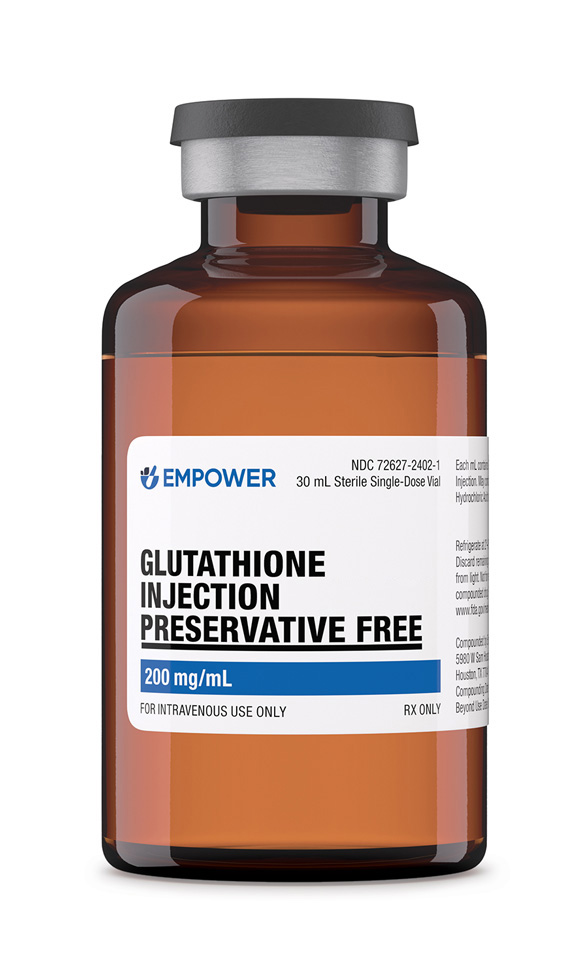
Glutathione, a potent antioxidant, plays a vital role in protecting your cells from damage caused by free radicals and toxins

Standard CagriSema dosing from clinical trials Phase 3 trial protocol: Semaglutide: Titrate to 2.4mg weekly Cagrilintide: Titrate to 2.4mg weekly Both given as separate weekly injections Slow titration over 16-20 weeks Semaglutide titration schedule: Week 1-4: 0.25mg weekly Week 5-8: 0.5mg weekly Week 9-12: 1.0mg weekly Week 13-16: 1.7mg weekly Week 17+: 2.4mg weekly (maintenance) Cagrilintide titration schedule (when combined): Week 1-4: 0.6mg weekly Week 5-8: 1.2mg weekly Week 9-12: 1.8mg weekly Week 13+: 2.4mg weekly (maintenance) Why slow titration matters: GI side effects worse if escalated quickly Especially with combination Body needs time to adapt Better long-term adherence Alternative dosing strategies Conservative approach (better tolerated): Semaglutide: Max 1.7-2.0mg weekly Cagrilintide: Max 1.8-2.0mg weekly Slower titration (20-24 weeks) For GI-sensitive individuals Aggressive approach (maximum weight loss): Semaglutide: 2.4mg weekly Cagrilintide: 2.4-3.0mg weekly (some trials test higher) Standard titration timeline For excellent tolerators seeking maximum results Higher side effect risk Sequential addition approach: Start semaglutide alone, titrate to 2.4mg (16 weeks) Stabilize for 4-8 weeks Add cagrilintide, starting at 0.6mg Titrate cagrilintide to 2.4mg (12 weeks) Total timeline: 32-36 weeks to full dose May reduce side effects Maintenance dosing: Once target weight achieved May reduce to: Semaglutide 1.7mg + Cagrilintide 1.8mg Maintain weight loss Better long-term tolerability More affordable Use our peptide calculator , peptide cost calculator , peptide dosing guide , and peptide dosage chart

We believe the modifications we are finalizing to the lookback period help to address this concern by allowing a longer lookback period in situations where hospitals need time to pull and prepare data prior to posting the MRF
M., Pina-Camacho, L., Moreno, C., Durn-Cutilla, M., Ayora, M., Gonzlez-Vioque, E., De Matteis, M., Hendren, R