Common neurological manifestations include: Paraesthesia (pins and needles) in the hands and feet Numbness and altered sensation Difficulty with balance and coordination (ataxia) Memory problems and cognitive impairment Mood changes, including depression and irritability In severe cases, visual disturbances and confusion These neurological features arise from demyelination of peripheral nerves and the spinal cord, a condition known as subacute combined degeneration when it affects the posterior and lateral columns of the spinal cord
[PDF] academia.edu Singh, Atul Pratap, et al
Auerbach, B
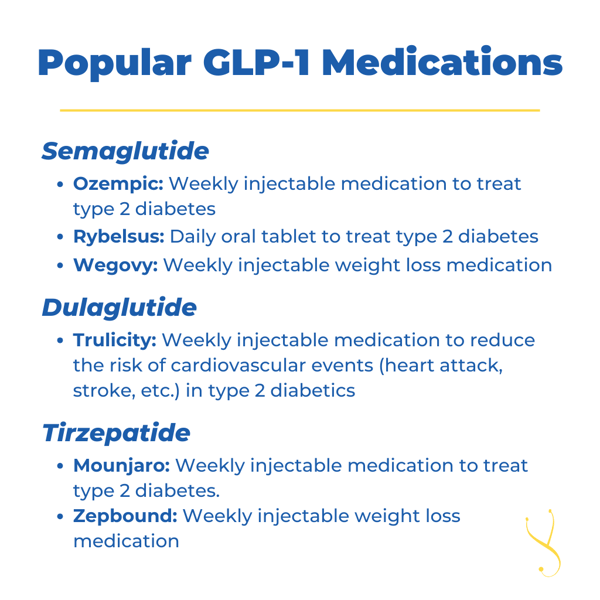
Activation of these receptors produces several effects: Appetite suppression: GLP-1 agonists activate anorexigenic (appetite-suppressing) POMC/CART neurons and inhibit orexigenic (appetite-stimulating) NPY/AgRP neurons in the hypothalamus, reducing hunger signaling Enhanced satiety: Activation of brainstem GLP-1 receptors amplifies satiety signals from the gastrointestinal tract, causing patients to feel full earlier and longer after meals Reduced food reward: GLP-1 receptor activation in the mesolimbic dopamine system reduces the hedonic drive to eat, diminishing cravings for high-calorie foods (Blundell et al., Diabetes, Obesity and Metabolism , 2017) Peripheral Effects Beyond central nervous system activity, GLP-1 agonists produce peripheral effects that contribute to weight loss: Delayed gastric emptying: GLP-1 receptor activation in the stomach slows gastric motility, prolonging gastric distension and promoting earlier satiety

Good overall health : Candidates should be non-smokers and free from uncontrolled medical conditions such as diabetes or heart disease